




2025-09-04
Cane Sugar By-Product: A Cornerstone to Fermentation Biotechnology
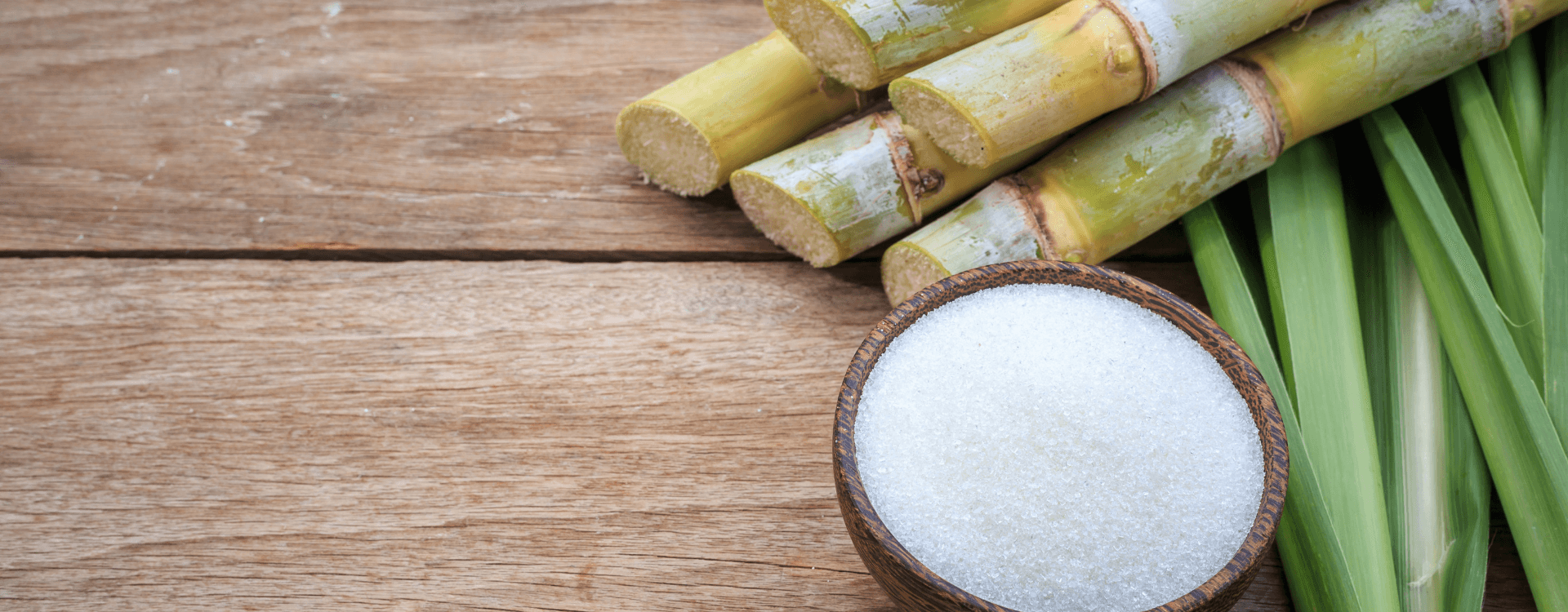
Molasses, a byproduct of cane sugar manufacturing which can be easily obtained from sugar plants, is an excellent raw material for a wide variety of applications in Fermentation Biotechnology. Molasses is considered a cost-effective and renewable energy source in a wide range of fermentation processes. It is used as a media component for cultivation of bacteria, yeasts, and certain molds which transform fermentable sugars in the molasses into products such as alcohol, yeast, citric acid, and food additives.
Cane molasses is a sustainable source of fermentable sugars in various biotechnology applications. The heavy, dark, and viscous by-product of raw sugar refinery is called Blackstrap Molasses which has a brix value (percent sucrose content) ranging between 79 and 85°. It can be easily incorporated into fermentation media and is a stable substrate for long-term storage. It contains high organic content, chiefly as sucrose, and hence has great potential in the production of renewable products of commercial interest.
Applications in Fermentation
Molasses (usually in diluted form) is a crucial media ingredient in the production of:
- Ethanol
- Citric acid
- Monosodium Glutamate (MSG)
- Poly-γ-glutamic acid (PGA)
- 2,3 Butanediol
- Rhizobium inoculants used as biofertilizer in agriculture
Challenges in Utilization
Despite its widespread use, its efficient use by microbes is challenging due to:
- High osmolarity
- High salinity
- Toxic compounds that inhibit fermentation
- Inconsistent composition and quality, including varying nutrient and toxin levels
These challenges can make it difficult to achieve reproducible fermentation results, making careful evaluation essential for successful molasses-based processes. Consequently, microbial strains are selected depending on their robustness and fitness to industrial fermentation conditions, including quality constraints of the raw material used in the fermentation media.
Figure
Source of Molasses as a by-product from Cane Sugar processing.
Author
Dr. Faheem SM MSc MTech PhD
Associate Professor (Senior)
School of Life Sciences
Related Blogs Check
Discovering Academic Excellence and Cultural Diversity Unveiling the Unparalleled Experience at Manipal Dubai!