





Program Overview
The BSc Food and Nutrition Science program at Manipal Academy of Higher Education offers training for significant roles within the food and health industries. It focuses on key areas such as metabolic pathways, food chemistry and diet-based disease prevention, responding to the global demand for sustainable and health-promoting food solutions.
Students will explore the impact of dietary choices on health and the environment. It equips them to tackle challenges from food safety to nutritional enhancement. The curriculum helps in developing skills for innovative solutions that influence food production and consumption patterns.
Course Details

Starting Date:
September 2026

Study Mode:
Full-Time

Program Length:
3 years + 1 year (Hons.)

Application Deadline:
30 July 2026
Book Now For Our 2025 Open days
Join us for an exciting opportunity to explore all that Manipal Dubai has to offer at our upcoming Open Days.
Explore More
Program Highlights
Research and Publication
Our students have many opportunities to explore biotechnology and food science research. They can use our well-equipped labs (related to food science, food preservation and product development) to conduct detailed experiments and projects. Students often share their research at local seminars and are encouraged to join workshops and training to improve their skills. This active research culture helps students grow and innovate in their fields.
Academic and Industry Partnerships
The program is supported by strategic collaboration with Taylor-Shannon International and probiotic and food testing industries in UAE. Our collaborations facilitate internships, field trips, workshops, and research projects, offering students exposure and insights into current advancements in Food and Nutrition Science.
Placements
The program maintains a strong placement record. Students gain practical experience through internships at esteemed companies within the booming food and nutrition sector. Some of our past prominent placement partners include the MERAAS Group, Holistic International Testing Services, TUV-Nord, MARS Chocolates, Dubai Municipality, WAFA Labs, Eurofragance, Emirates Catering, Munch Box and FitLab.
Career and Higher Education Opportunities
Graduates have numerous pathways post-graduation. They include advanced career opportunities in the food and health sectors and further education options such as master's programs in related fields. For those aiming to delve deeper into research, pursuing an Honours year provides an excellent foundation for PhD studies or specialist roles in industry research and development.


The Manipal Advantage
- Additional Certifications
Students enrolled in the BSc Food and Nutrition Science program can achieve industry certifications such as the Food Safety Level 4 and HACCP. These credentials are integral for critical roles in food safety and quality assurance. They ensure graduates meet international standards and are ready to tackle professional challenges.
- Academic Partnerships
Our program is enriched through collaborations with distinguished partners such as Taylor-Shannon International (TSI), which offers short-term professional certification programs. Our students have received internships and training from various biotechnology and food industries, like Nestlé, Munch Box, Intelligent Foods, Bureau Veritas, IFFCO, etc.
- International Collaborations
Our strong international connections aim to foster collaborative research and offer unique study tours. These activities are designed to expose students to advanced laboratory and research facilities at universities worldwide. They enhance students’ educational experience and provide them with insights into global best practices in food and nutrition science.

Admission Requirements
To embark on a journey that will shape the future of food and nutrition, candidates must meet the following eligibility criteria:
- Have completed the 10+2 examination with subjects Biology, Chemistry and English.
- Achieve at least 50% aggregate marks.



Career Opportunities
Upon completion of BSc Food Science and Nutrition, graduates find themselves well-prepared for a variety of dynamic roles in the industry, including roles like:
- Food Laboratory Technician
- Quality Control Analyst
- Food Safety Officer
- Food Production and Quality Officer
- Nutritionist
- Food Scientist
- Food Microbiologist
- HACCP Specialist
- Instructor in Academic Institutions
- Sales - Food and Nutraceutical

Course Details
The curriculum starts with an intensive focus on core scientific concepts, reinforced through practical laboratory experiences. These activities build a foundational understanding, critical for supporting further specialised study in the biosciences.
| Semester 1 | Semester 2 |
|---|---|
| English Technical Writing | Food Chemistry |
| Biology | Nutritional Biochemistry I |
| Chemistry | Human Anatomy and Physiology |
| Computer Science | *Open Elective |
| *Fundamentals of Food and Nutrition Science | Food Chemistry (Practical) |
| Biology (Practical) | Nutritional Biochemistry I (Practical) |
| Chemistry (Practical) | Human Anatomy and Physiology (Practical) |
| Computer Science (Practical) | Seminar/Soft Skills |
*Offered as Open Elective Course from School of Life Sciences
This year is dedicated to expanding practical skills in experimental and analytical techniques. Students will engage with complex biological and chemical interactions, applying their theoretical knowledge to solve real-world issues relevant to food science and nutrition.
| Semester 3 | Semester 4 |
|---|---|
| Nutritional Biochemistry II | Community Nutrition |
| Technology of Food Preservation | Biostatistics |
| Grain Science & Technology | Technology of Fruits & Vegetables |
| Food Microbiology | Food Technology (Practical) |
| Food Microbiology (Practical) | Dairy Technology |
| Nutritional Biochemistry II (Practical) | Technology of Animal Foods |
| Technology of Food Preservation (Practical) | Community Nutrition (Practical) |
| Grain Science & Technology (Practical) | Seminar/Soft Skills |
| Seminar/Soft Skills |
The focus is on integrating knowledge and skills in a project-driven approach. Students undertake comprehensive research projects that address contemporary challenges in food safety and nutrition, preparing them for contributions in both academic and professional settings.
| Semester 5 | Semester 6 |
|---|---|
| Research Methodology | Project work/ Submission of Dissertation/ Submission of Manuscript /Internship |
| Food Engineering | |
| Advances in Nutrition | |
| Food Safety and Food Laws | |
| Trends in Food Processing | |
| Trends in Food Processing (Practical) | |
| Soft Skills/Seminar |
*Upon successful completion of the third year, students will earn a BSc Food and Nutrition Science degree. Those achieving a CGPA of 8 or above have the opportunity to extend their studies by one year to pursue a BSc Food and Nutrition Science Honours.
(For those opting for the Honours track): The focus shifts to advanced integration of coursework through seminars and journal clubs. It enables students to engage with current research and industry trends critically. This prepares them for professional roles in the food and nutrition sectors.
| Semester 7 | Semester 8 |
|---|---|
| Project work progress report submission / presentation / Internship | Project work / Submission of Dissertation / Submission of Manuscript / Internship |

Fees
.

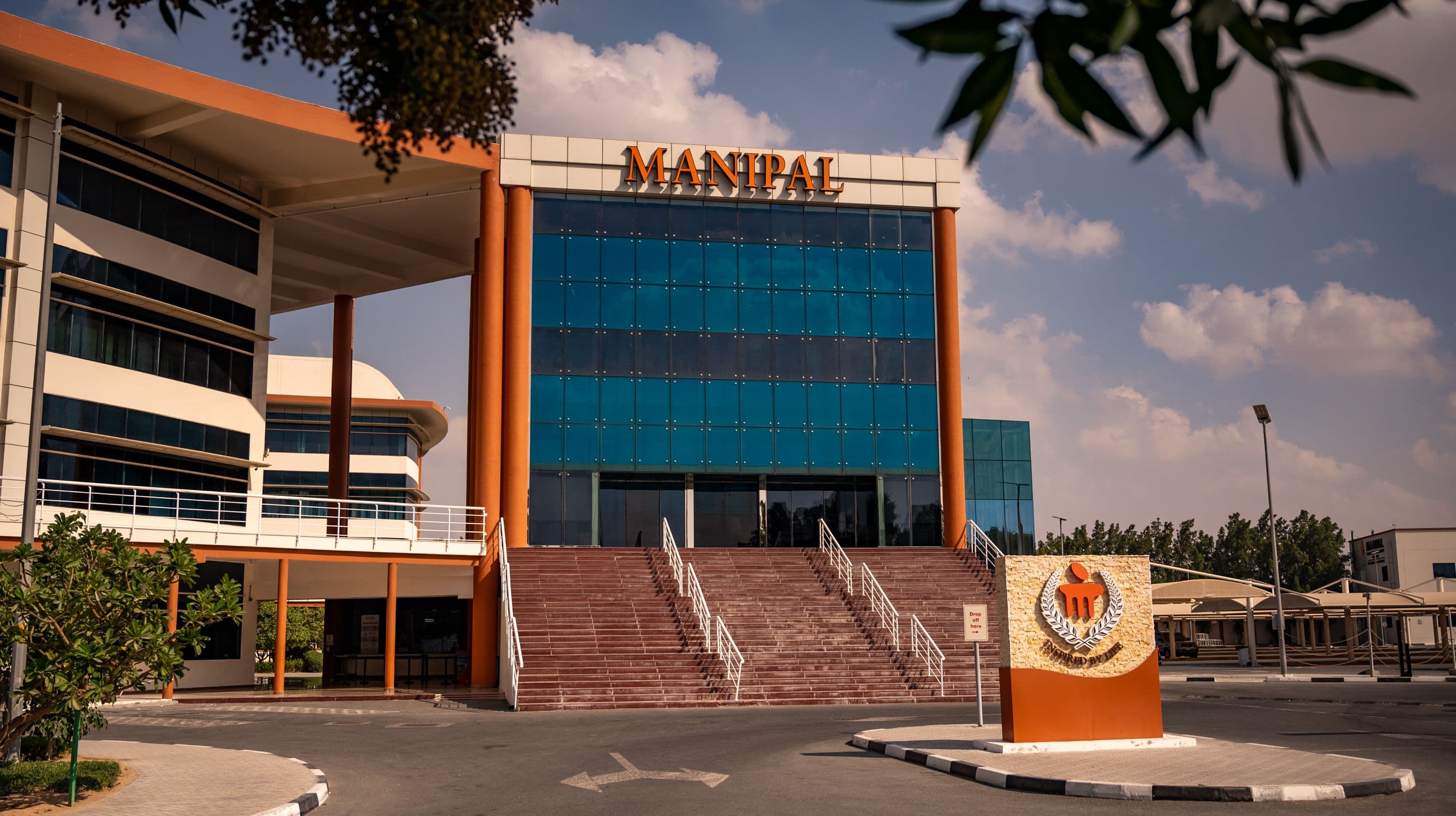
Virtual Tour
Explore what Manipal Dubai Campus can offer you. From accommodation, study spaces, sports facilities, cafes, restaurants, modern classrooms, advanced labs, and welcoming spaces that inspire learning and creativity.
Contact Us
Would you like to explore more with Manipal Dubai? Our dedicated enquiries team can help.